
Buying a cardigan for work sounds straightforward until you realise how much difference the wrong choice can make during a long shift.
A cardigan that looks smart on the hanger might feel restrictive at a desk, become uncomfortable in a chilly stockroom, or lose its shape after a few washes. When choosing Work Cardigans, it helps to think beyond colour and price. If you are planning to Buy Work Cardigans in UK, consider the working environment, the people wearing them and how often they will be used. A little thought before ordering can save money and spare your team the bother of wearing something that never quite feels right.
1. Choosing the Wrong Size for Everyday Work

One of the easiest mistakes to make is ordering a size based on appearance rather than fit. A cardigan might look neat when someone tries it on for a minute, but wearing it throughout an eight-hour shift is a different matter.
A tight fit around the shoulders can make reaching, lifting and moving awkward. On the other hand, an oversized cardigan may hang loosely, catch on equipment or look untidy when worn over a uniform shirt.
This becomes more complicated when ordering for a whole team. People have different body shapes, and a size that suits one employee may not work for another.
Before placing a bulk order, check the manufacturer’s size guide instead of relying on familiar S, M, L or XL labels alone. If possible, order a sample or arrange a fitting. Ask staff to try the cardigan over the clothing they normally wear at work.
For teams that need a consistent appearance, getting the sizing right is just as important as choosing the right colour.
2. Ignoring the Fabric and Its Feel

Two cardigans can look almost identical yet feel completely different after a few hours of wear. Fabric plays a large part in that difference.
A thick knit may be comfortable in a cold office, but it could feel too warm in a busy reception area. A lightweight option may suit indoor work better, although it might not offer enough warmth near open doors or in poorly heated rooms.
Pay attention to the fabric composition, thickness and care instructions. Some materials are softer against the skin, while others are chosen for their shape retention or ease of maintenance. There is no single fabric that works for every workplace.
Think about the conditions employees actually face. Someone working at a hotel reception desk may want a smooth, smart-looking layer, while a member of staff moving between indoor and outdoor areas may prefer something that can be taken off easily.
If your team wears a cardigan throughout the day, comfort should not be an afterthought. A fabric that feels pleasant at the beginning of a shift is more likely to become a regular part of the uniform.
3. Picking a Colour Without Considering the Uniform

Colour can seem like a minor decision, but it affects how well a cardigan fits into the rest of a work uniform.
Imagine ordering a batch of bright blue cardigans only to discover that they clash with the company’s existing shirts, trousers or branded clothing. The individual garments might be perfectly good, yet the overall appearance can feel mismatched.
Before settling on a shade, look at the uniform as a complete outfit. Navy, black and grey are often practical choices for workplaces that want a restrained appearance. Other colours may be more suitable when they match company branding or help distinguish different teams.
It is also worth checking how the shade looks under the lighting in the workplace. Colours can appear different under shop lighting, office lights and natural daylight.
If employees work in customer-facing roles, consistency matters. A coordinated appearance can help staff look recognisable without requiring every part of the uniform to be identical.
When ordering several sizes or replenishing existing stock, check that the colour and style match previous purchases. This is particularly useful for businesses that issue uniforms throughout the year.
4. Focusing on the Lowest Price Instead of Overall Value
A low price can be tempting, particularly when you need cardigans for a large team. However, the cheapest option is not automatically the most economical one.
Consider what happens after repeated washing and regular wear. If the fabric pills quickly, the cuffs stretch or the garment loses its shape, you may need to replace it sooner than expected.
That does not mean an expensive cardigan is always the better choice. The sensible approach is to compare the price with the features that matter to your workplace.
Check the washing instructions, fabric details, construction and suitability for everyday use. If you are buying in quantity, ask about available sizes, stock levels and whether the same style is likely to remain available for future orders.
For businesses managing uniform budgets, consistency is valuable too. Replacing one worn cardigan is much easier when the same style is still available than when the entire team needs a different design.
Work out what you need from the garment before comparing prices. A reasonably priced cardigan that suits the job and holds its appearance can be a better purchase than a cheaper one that needs frequent replacement.
5. Forgetting About Washing and Maintenance
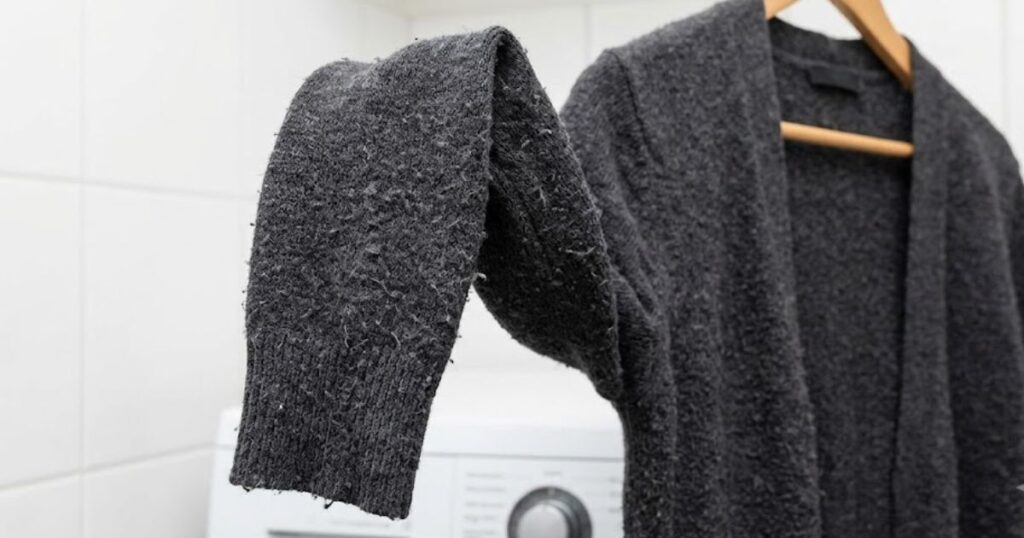
A cardigan may look excellent when new, but its real test begins in the laundry. This is an easy detail to overlook when ordering uniforms, especially when the decision is being made quickly.
Some fabrics need gentler washing or specific drying conditions. Others are easier to care for during a busy working week. If staff have to follow complicated instructions to keep a cardigan looking presentable, maintaining the uniform can become an unnecessary chore.
Read the care label before buying. Check the recommended washing temperature, drying method and any restrictions on ironing. Avoid assuming that every knitted garment can be treated in the same way.
It is also worth considering how frequently the cardigans will be worn. A garment used occasionally in a cool office may have different maintenance requirements from one worn daily in a hospitality business.
For larger teams, straightforward care instructions can make life easier for both employees and whoever manages uniform supplies. If the garments will be washed frequently, choose an option whose care requirements suit your existing laundry arrangements.
A few minutes spent checking these details can help you avoid unpleasant surprises after the first few washes.
6. Overlooking the Workplace Dress Code
A cardigan can be comfortable, affordable and well made, yet still be unsuitable for the job. The problem often comes down to details such as the neckline, fastening, length or overall appearance.
In a hotel, restaurant or reception area, employees may need a polished look that works well with shirts, blouses or other uniform pieces. In an office, the requirements might be more relaxed. A practical cardigan for one setting may look out of place in another.
Before ordering, check whether your workplace has rules about colours, logos, garment styles or how uniforms should be worn. If employees need to wear name badges, for example, consider whether the cardigan leaves enough room for them to be displayed neatly.
Businesses ordering uniforms for several departments should also think about whether the same style works across all roles. Sometimes a shared colour with slightly different garment options creates a more suitable result than insisting that every employee wears exactly the same design.
If you are sourcing several uniform items together, working with a Uniform Supplier in UK can help you compare garments and consider how they fit into the wider uniform range.
The aim is to choose something employees can wear comfortably while still meeting the expectations of their workplace.
7. Ordering in Bulk Without Checking the Details
Bulk ordering can make uniform purchasing more convenient, but rushing through the final checks can create avoidable problems.
A small error in the size breakdown, colour selection or quantity can affect the whole order. For example, you might have enough cardigans for the current team but no spare sizes for new starters. Alternatively, you could order a style that is difficult to match when replacements are needed later.
Before confirming the order, prepare a list of employees or required sizes. Check quantities carefully and make sure everyone has had an opportunity to review the sizing information.
If your team has not worn the style before, consider ordering a sample first. This gives you a chance to assess the fit, fabric and appearance before committing to a larger quantity.
You should also confirm delivery estimates, return conditions, stock availability and any minimum order requirements. If embroidery or other personalisation is involved, check the artwork, placement and spelling before approving production.
For growing businesses, keeping a simple record of garment styles, sizes and order dates makes future purchases easier. It also reduces the risk of ending up with mismatched uniforms when staff join or existing garments need replacing.
How to Choose the Right Work Cardigan?
Once you have considered these seven mistakes, narrow down your options by asking a few practical questions.
- Does the cardigan fit comfortably over the clothing employees normally wear?
- Is the fabric appropriate for the temperature and working conditions?
- Does the colour match the existing uniform?
- Can the garment be washed and maintained without unnecessary difficulty?
- Does the style meet the workplace dress code?
- Are the required sizes available, including spares?
- Can you reorder the same style when replacements are needed?
These questions help turn a general clothing purchase into a more considered uniform decision.
When comparing Work Cardigans, remember that the right option depends on how the garment will be used, not simply on how it looks in a product photograph. A little preparation can help you choose a style that suits your team, fits your budget and remains appropriate for everyday work.
Frequently Asked Questions
1. What should I look for when buying work cardigans?
Start with fit, fabric, comfort and care requirements. Then consider the workplace dress code, colour coordination and availability of sizes. For business orders, check whether the same style can be purchased again when replacements are needed.
2. Which colour is best for a work cardigan?
Navy, black and grey are popular options because they can coordinate with many work uniforms. However, the best colour depends on your company’s branding, existing uniform colours and the type of workplace.
3. Should I order work cardigans in bulk?
Bulk ordering can simplify uniform purchasing when several employees need the same garment. Before committing, confirm the size breakdown, stock availability, delivery arrangements and return conditions. Ordering a sample first can be helpful when choosing an unfamiliar style.
4. How do I choose the right cardigan size for employees?
Use the manufacturer’s size chart and check the garment measurements rather than relying only on standard size labels. Where possible, let employees try a sample over their usual work clothes before confirming the order.
5. How often should work cardigans be washed?
There is no fixed schedule for every workplace. Washing frequency depends on how often the cardigan is worn, the working environment and whether it becomes dirty or develops odours. Follow the care label and wash the garment whenever it needs cleaning.
6. Are work cardigans suitable for hospitality uniforms?
Yes, they can suit reception teams, hotel staff, and other customer-facing roles where an extra layer is useful. Choose a style that complements the uniform and meets the workplace’s appearance and hygiene requirements.
7. Where can businesses buy work cardigans in the UK?
Businesses can compare specialist workwear suppliers, uniform retailers, and clothing suppliers that offer suitable styles and sizes. Before ordering, review the product details, care instructions and bulk-order arrangements to make sure the garments meet your team’s requirements.
RELATED POST: How to Elevate Any Outfit With the Right Finishing Touches?