
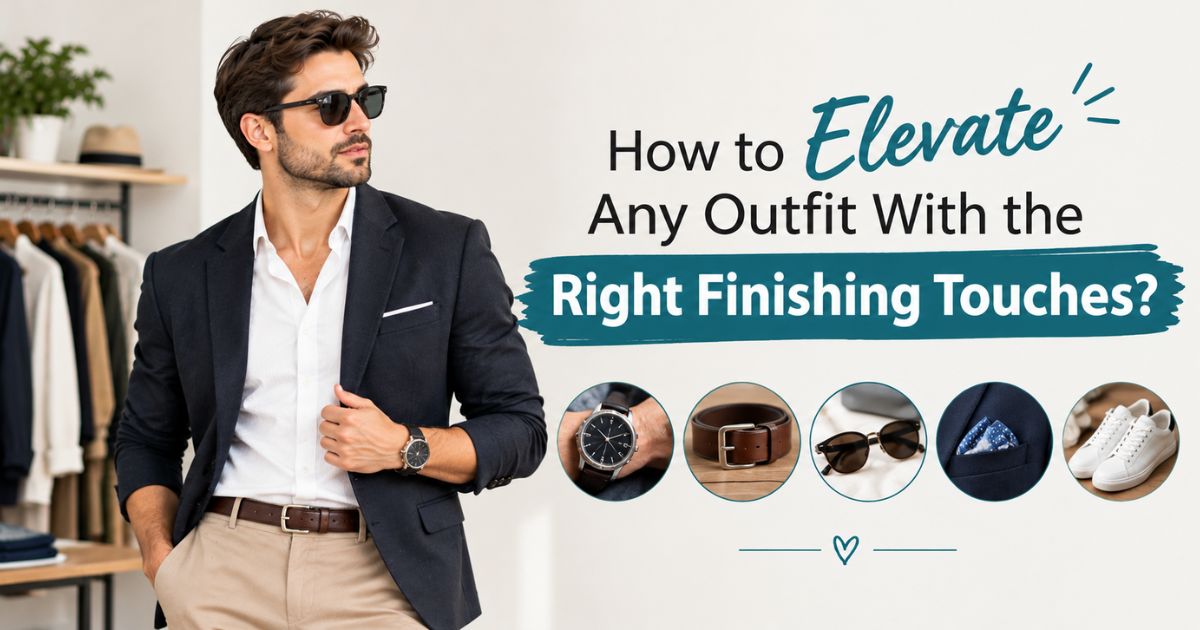
Sometimes, the smallest details make the biggest difference in an outfit. A simple combination of jeans and a shirt can look more polished with the right shoes, while a plain dress can feel more personal with a scarf or a thoughtfully chosen handbag. You do not need an entirely new wardrobe to refresh your style. Learning how to use finishing touches can help you make everyday outfits feel complete, coordinated, and uniquely yours.
1. Understand the Power of Accessories
Accessories are more than decorative additions. They can introduce colour, create contrast, and bring different elements of an outfit together. Even a simple outfit can feel more intentional when you choose details that complement your clothing.
For example, a neutral shirt and trousers can be styled with a colourful handbag or a patterned scarf. Alternatively, a printed dress may look best with simple shoes and understated jewellery.
The key is to think about the overall appearance rather than choosing accessories individually. Each item should work with the clothing, the occasion, and your personal preferences.
2. Choose Jewellery That Complements Your Outfit
Jewellery is one of the easiest ways to add a finishing touch. Small earrings, a simple necklace, or a classic watch can introduce detail without making an outfit feel too complicated.
For everyday wear, consider lightweight pieces that are comfortable and easy to coordinate. A delicate necklace can complement a plain neckline, while simple earrings can work with casual shirts, dresses, and coordinated sets.
If your outfit already includes bold patterns, decorative buttons, or noticeable details, understated jewellery may create a balanced look. For simpler clothing, you might choose one more distinctive piece to add interest.
There are no strict rules about which jewellery you should wear. Experiment with different combinations and choose pieces that feel comfortable and suit your style.
3. Use Handbags to Complete Your Look
A handbag can be both practical and stylish. It carries everyday essentials while adding another colour, texture, or shape to your outfit.
When choosing a bag, think about your plans for the day. A roomy tote may be useful for shopping or carrying work essentials, while a smaller crossbody bag can be convenient for casual outings. A structured handbag may complement an outfit intended for a more formal setting.
Colour also matters. Black, beige, brown, and other neutral shades can work with many outfits. If your wardrobe mainly consists of simple colours, a bag in a brighter shade can introduce personality.
You do not need a different bag for every outfit. A few practical options that complement your regular clothing can provide plenty of flexibility.
4. Coordinate Accessories With Your Clothing
A coordinated appearance does not mean every accessory must match perfectly. Instead, aim for colours, textures, and designs that complement one another.
For instance, warm-toned clothing may pair nicely with brown footwear and a neutral bag. A black-and-white outfit can be refreshed with a colourful scarf or subtle metallic jewellery.
Thoughtful styling also helps when wearing Women accessories as part of an everyday wardrobe. Items such as scarves, belts, handbags, and jewellery can add personality to simple clothing while helping create a cohesive look. The most useful choices are those that work with several outfits rather than being suitable for just one occasion.
Try repeating one colour or material in two small details, such as a belt and handbag, if you enjoy a coordinated finish. However, mixing complementary shades can look just as appealing and natural.
5. Pay Attention to Shoes
Shoes can influence the overall feel of an outfit. They may make clothing look more relaxed, more polished, or more suitable for a particular activity.
For casual outfits, clean sneakers or comfortable flats can be practical choices. Loafers may add a slightly more structured appearance, while sandals can work well in warmer weather. For formal occasions, choose footwear that suits the setting and allows you to move comfortably.
Consider the entire outfit before deciding which shoes to wear. Sneakers can give a simple dress a relaxed feel, while loafers may make jeans and a shirt look more refined.
Comfort should remain a priority, particularly if you expect to walk or stand for long periods. The best finishing touch is one that looks appropriate and feels good throughout the day.
6. Add Layers for More Interest
Layering can give familiar outfits a fresh appearance without requiring additional complicated styling. A lightweight jacket, cardigan, or overshirt can introduce texture and make an outfit more adaptable to changing temperatures.
For example, wear a cardigan over a plain top and jeans for a comfortable everyday combination. A structured jacket can add definition to a simple dress, while an open shirt can create a relaxed layered look.
When layering, consider the weight and proportions of each piece. Lightweight garments usually work well together for everyday wear, while bulky layers may be more appropriate in colder weather.
Choose colours that complement your base outfit, and avoid adding so many layers that you feel uncomfortable or restricted.
7. Use Belts and Scarves Creatively
Belts and scarves are useful accessories because they can change the appearance of familiar clothing in simple ways.
A belt can add a finishing detail to trousers, jeans, or certain dresses. It can also introduce contrast when worn with a neutral outfit. Choose a style that suits the garment and feels comfortable throughout the day.
Scarves offer even more flexibility. You can wear one around your neck, use it as a light layer when the weather allows, or select a patterned design to add colour to plain clothing.
These accessories are especially helpful when you want to refresh an outfit without purchasing new garments. A small change can make a familiar combination feel different.
8. Keep the Overall Look Balanced
The secret to effective finishing touches is balance. Adding more accessories does not necessarily make an outfit more stylish. Sometimes, one carefully chosen detail is enough.
Before leaving home, take a moment to consider the complete look. Ask yourself whether the colours work together, whether the accessories suit the occasion, and whether anything feels unnecessary.
For a simple outfit, you might choose a colourful bag as the main detail. For a patterned outfit, neutral shoes and minimal jewellery may be all you need.
Most importantly, let your personal preferences guide your choices. Fashion should be enjoyable, and your finishing touches should help you feel comfortable and confident in what you wear.
Conclusion
The right finishing touches can transform everyday clothing into a polished, personal outfit. Choose complementary accessories, comfortable footwear, and thoughtful layers to create balance. You do not need a large collection or complicated styling rules. With a few versatile details, you can refresh familiar outfits and express your individual style every day.
RELATED POST: No Credit or Low Credit VET Care Financing Solutions for Everyone