
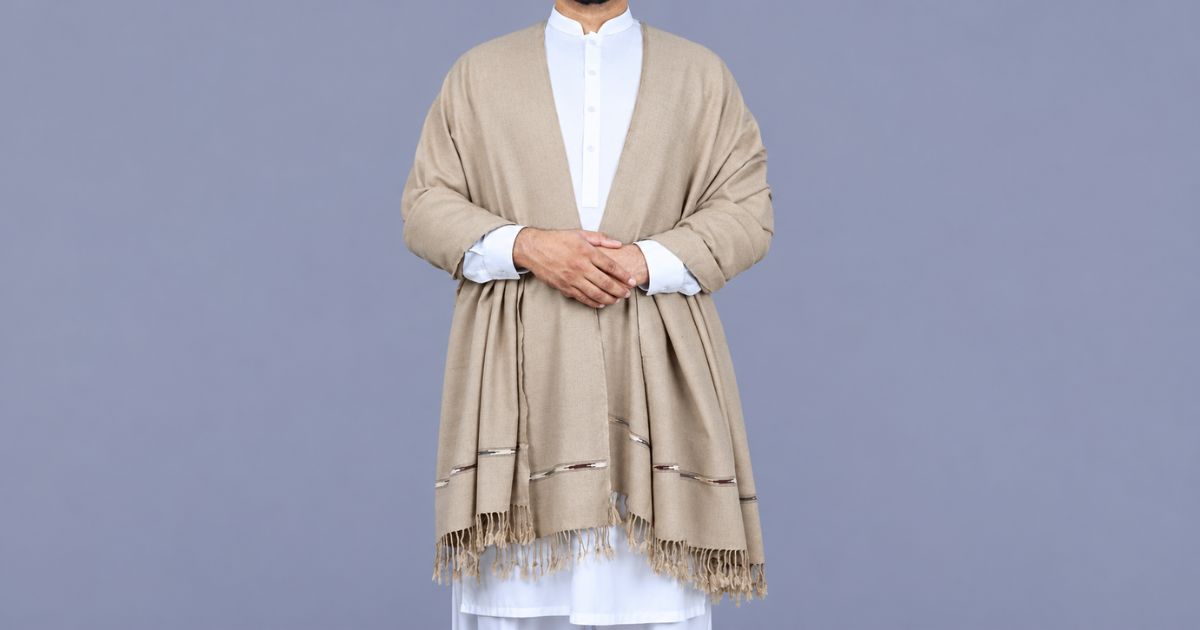
Buying a men’s shawl in Pakistan is about more than choosing an attractive colour or an elegant design. The right shawl should offer warmth, comfort, durability, and a style that complements traditional and modern clothing. Whether you need a shawl for winter weddings, everyday wear, formal gatherings, or a thoughtful gift, checking a few essential details before purchasing can help you make a better investment.
With so many options available, including wool, cashmere blends, and premium natural fibres, comparing products can feel overwhelming. Prices, fabric descriptions, finishing quality, and seller claims can vary considerably. A shawl that looks luxurious in a photograph may feel different in person, while a less expensive option may provide excellent value for everyday use.
Before you pay, use this practical checklist to inspect five important features. These checks will help you compare Pakistani men’s shawls, identify potential quality issues, and choose a product that suits your budget and wardrobe.
1. Inspect the Fabric and Verify Its Composition
The first thing to check is the fabric. Material determines how warm, soft, breathable, and durable a shawl will be. It also plays a major role in its price.
Pakistani men’s shawls are available in several materials, including sheep’s wool, acrylic, cotton blends, and fine animal fibres. Each option has different benefits, so consider how and when you intend to wear your shawl before making a decision.
- Wool shawls: Suitable for cold weather, wool generally provides good insulation and works well for daily winter wear.
- Angora shawl: Angora fibre is known for its softness, lightness, and warmth. However, the term can refer to different materials in retail listings, so confirm whether the product contains Angora rabbit fibre, mohair from Angora goats, or a blend.
- Pashmina shawls: Genuine pashmina is associated with fine cashmere fibre and a lightweight, luxurious feel. Because the name is sometimes used loosely in the marketplace, check the product’s fibre composition and seller documentation.
- Synthetic blends: Acrylic and polyester blends can be affordable, easy to find, and practical for regular use, although their texture and warmth may differ from natural fibres.
What to inspect before paying: Read the fabric label, product description, or composition details. If the seller advertises a shawl as pure wool or cashmere, ask for clear information about its fibre content. Do not rely on softness alone to establish authenticity.
If you are shopping online, review close-up product images and check whether the seller provides material specifications and a clear return policy. Paying more makes sense only when the quality and composition justify the price.
2. Check the Weaving, Stitching, and Overall Finish
A good shawl should look well-made from edge to edge. Even premium fabric can lose its appeal if the weaving is uneven or the finishing is poor. Examining the construction helps you avoid products that may deteriorate quickly with regular use.
Start by spreading the shawl across a flat surface. Look for consistent weaving, an even pattern, and a balanced appearance. If the design includes checks, stripes, or traditional motifs, see whether the pattern looks uniform across the fabric.
Next, examine the borders and fringes. Loose threads, unfinished edges, uneven tassels, and visibly weak stitching may indicate poor finishing. A small number of loose fibres can be normal in some wool products, but excessive shedding or obvious structural defects deserve attention.
Pay special attention to these details:
- Weave consistency: Look for unexplained gaps, thin patches, or irregular sections.
- Edge finishing: Check that the borders are secure and reasonably even.
- Fringes and tassels: Ensure they are attached properly and do not unravel easily.
- Pattern alignment: Confirm that the design looks balanced, particularly on formal shawls.
- Surface condition: Inspect for stains, holes, pulls, and damaged fibres.
For shoppers comparing Kashmira shawls, construction is particularly important because products sold under similar descriptions can differ in material, weave, and finishing. Compare the actual craftsmanship rather than assuming that a traditional design guarantees premium quality.
If you are buying from a physical shop, inspect both sides of the shawl. For online orders, request additional photographs if the edges or weave are not clearly visible.
3. Evaluate Softness, Warmth, and Wearing Comfort
A shawl may look beautiful on display but still feel uncomfortable when worn. Before purchasing, consider how the fabric feels against your neck and shoulders and whether its weight suits your needs.
If possible, gently run your fingers over the material. A quality shawl should feel appropriate for its advertised fabric, without unexpectedly rough patches or stiff areas. Remember, however, that softness alone does not prove that a product contains premium natural fibres.
Warmth is equally important. A thick wool shawl may be ideal for chilly winter mornings, while a lighter pashmina men shawl may be more suitable for formal occasions when you want warmth without excessive bulk.
Consider your intended use:
- Daily wear: Choose a comfortable, practical shawl that is easy to maintain.
- Office and formal gatherings: Look for a refined texture, moderate weight, and colours that complement your clothing.
- Winter weddings: Consider a well-finished shawl that offers warmth and an elegant appearance.
- Travel: Prioritise a manageable weight, convenient folding, and straightforward care requirements.
Also check the dimensions. A shawl that is too narrow or short may not drape comfortably over the shoulders. Larger dimensions can provide greater coverage, but the ideal size depends on your height, preferred styling, and the thickness of your clothing.
When buying online, compare the listed measurements rather than estimating size from a model’s photograph. A clear size description helps prevent disappointment after delivery.
4. Compare the Price With the Quality You Receive
Price is one of the most important considerations when buying a men’s shawl in Pakistan. However, choosing the cheapest product is not always the most economical decision, and an expensive price tag does not automatically guarantee superior quality.
The price of a shawl may depend on its fibre composition, production method, craftsmanship, size, brand, and design. Hand-finished pieces and shawls made from fine natural fibres may cost more than machine-made synthetic alternatives.
To assess value, compare several products within your budget. Check whether they use similar materials, offer comparable dimensions, and demonstrate similar finishing quality. Comparing two shawls simply because they look alike can be misleading if their fabrics are different.
Before making a purchase, ask the seller:
- What is the exact fabric composition?
- Is the shawl machine-made, handwoven, or finished by hand?
- Are the dimensions listed accurately?
- Does the price include delivery and any additional charges?
- Is an exchange or refund available if the item has a defect?
These questions are particularly useful when shopping for a premium pashmina men’s shawl or an angora shawl. If a product is advertised as genuine cashmere or Angora, request credible material information instead of relying solely on promotional language.
For online shoppers, calculate the total cost before checkout. Delivery fees, packaging charges, and return shipping policies can affect the final value of your purchase.
The best choice is the shawl that meets your quality expectations and intended use without exceeding your budget unnecessarily.
5. Verify the Seller, Care Instructions, and Return Policy
The final check is often overlooked: make sure you can trust the seller and understand how to maintain your purchase.
Whether you shop at a local market, a clothing store, or an online retailer, examine the seller’s reputation. Look for consistent customer feedback, accurate product descriptions, and transparent contact information. For online shopping, review recent customer photographs and comments where available, paying attention to complaints about fabric quality, colour differences, and delivery problems.
Next, read the care instructions. Natural fibres may require gentler cleaning than synthetic blends. Some wool and cashmere products need professional cleaning, while other fabrics may tolerate careful handwashing according to their labels. Incorrect washing, high heat, or aggressive wringing can damage delicate fibres.
Colourfastness also deserves attention. If you are buying in person, inspect the fabric for uneven colouring or signs of damage. Do not apply water or cleaning products to a shop’s merchandise without permission.
Finally, confirm the exchange and return policy before paying. Ask whether returns are accepted for manufacturing defects, incorrect descriptions, or substantial differences between the advertised product and the item delivered. Check any deadlines and packaging requirements.
For online purchases, save the order confirmation, product description, payment receipt, and relevant photographs. These records can be useful if a dispute arises.
A reliable seller who provides clear product information and reasonable after-sales support can make the buying experience much more straightforward.
Final Checklist Before You Pay
Before purchasing a Pakistani men’s shawl, take a moment to review these five essentials:
- Fabric: Confirm the material and check whether premium fibre claims are supported by credible information.
- Construction: Inspect the weave, borders, fringes, and overall finishing.
- Comfort: Consider softness, warmth, dimensions, and intended use.
- Price: Compare similar products and calculate the complete cost.
- Seller reliability: Review customer feedback, care instructions, and return terms.
A well-chosen shawl should combine practical warmth with a style that suits your wardrobe. Whether you prefer everyday wool, elegant Kashmira shawls, a lightweight pashmina men shawl, or the distinctive softness associated with an angora shawl, careful inspection can help you shop with greater confidence.
RELATED POST: How to Tell if a Dubai Marina Property Is Priced Fairly?