
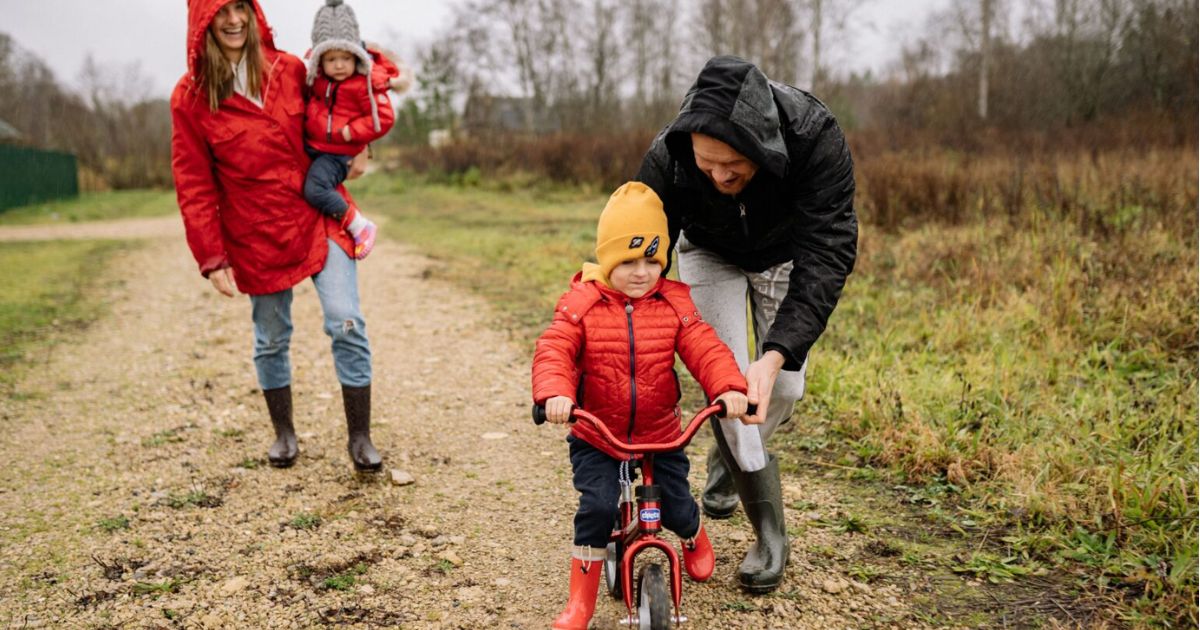
If your family spends its weekends walking hills, cycling trails, pitching tents, and generally getting as muddy as possible, you will already know the problem this article is about. The adventures are wonderful. What happens afterwards, when a car full of damp kit has to be unloaded into a house that was never designed to hold it, is rather less so.
Wet waterproofs over the banisters. Boots lined up in the hallway, shedding clods of earth. A tent drying across the living room floor. Bikes in the kitchen because there is simply nowhere else for them to go. For outdoorsy families, the right garden storage is not a luxury. It is what makes the next trip possible without a row.
The Kit Problem Every Outdoor Family Knows
Outdoor gear has three awkward qualities. There is a lot of it, it comes home dirty and wet, and much of it is expensive enough that you want to look after it properly. A family of four with bikes, walking boots, waterproofs, camping equipment, and a few rucksacks can easily fill the equivalent of a small bedroom.
Most homes deal with this by scattering the kit across the garage, the loft, the cupboard under the stairs, and the back of the car. The result is that preparing for a day out involves a treasure hunt, and coming home involves a small domestic flood.
Why Plastic Suits Wet, Muddy Gear?
Timber sheds have plenty of charm, but they are not the ideal home for gear that regularly comes back soaking. Damp kit put away in a wooden building adds moisture to the timber, and over time that contributes to rot, swelling, and mould.
Plastic and resin sheds are far more forgiving. They cannot rot, they will not swell when wet gear is stored inside, and the interior surfaces wipe clean in seconds when the inevitable mud gets everywhere. They also need no annual painting or treatment, which means one less job competing with your weekends outdoors. For families storing this kind of equipment, a weatherproof plastic shed big enough for bikes, tents, and muddy boots is often the most practical choice available.
Planning the Space around Your Kit
Before buying, gather everything you want to store into one place and take a good look at it. Measure the bikes, including handlebars. Count the pairs of boots. Consider how large the tent and camping gear are when packed. Then add a third for the kit you will inevitably buy next year.
Think about access as well as capacity. Wide double doors make it far easier to wheel bikes in and out without scraping paintwork. A shed with a window or translucent roof panel means you can find things without a torch. And a layout that allows you to reach the everyday items, boots and waterproofs, without moving the camping gear, will save a great deal of frustration on busy mornings.
Bikes First
Bikes are usually the bulkiest and most valuable items in an outdoor family’s kit, so it makes sense to plan the shed around them. Wall-mounted hooks or vertical racks free up floor space, while a floor stand keeps them upright and stops them from toppling into each other.
Keep a small tool kit, a pump, spare inner tubes, and chain lube on a shelf beside the bikes so quick fixes happen before a ride rather than halfway through one. If your family is looking for new routes to explore, Sustrans maintains the National Cycle Network and is a brilliant resource for traffic-free family rides across the UK.
Drying Before Storing
The golden rule of outdoor kit is simple: never put anything away wet. Tents stored damp develop mildew within days, boots left muddy crack and lose their waterproofing, and damp waterproofs start to smell.
A plastic shed makes a very good drying area on a breezy day with the doors open, and a few hooks and a simple washing line strung across the interior give waterproofs and sleeping bags somewhere to hang. A boot tray by the door catches mud and water. For tents, it is still worth pitching or hanging them fully to dry in the garden before packing them away, then storing them loosely rather than tightly rolled.
Giving Every Family Member Their Own Zone
One of the most effective tricks for keeping a family kit shed under control is giving each person a clearly defined space. A labelled hook for their helmet and waterproof, a slot on the boot rack, and a shelf or crate for their personal bits. Younger children in particular respond well to having something that is visibly theirs, and it makes tidying up after a trip far quicker, because everyone knows exactly where their things go.
Shared kit, such as the tent, stove, first aid kit, and maps, can then live in a common area, ideally grouped by activity. A camping crate, a cycling crate, and a walking crate mean you can grab everything for a particular kind of day out in one go, rather than gathering items from all over the shed.
Looking after Your Waterproofs and Boots
Good outdoor clothing is an investment, and a little care after each trip extends its life considerably. Brush dried mud off boots rather than soaking them, let them dry naturally away from direct heat, and reproof them occasionally. Waterproof jackets perform better and last longer when washed with a technical cleaner every so often, then reproofed according to the manufacturer’s advice.
Having a clean, dry shed to do this in, rather than a crowded kitchen sink, makes these small jobs far more likely to actually happen.
Security for Expensive Gear
Bikes and outdoor equipment are attractive to thieves, and garden sheds are a common target. Choose a shed with a lockable door or strong padlock points, and consider a ground anchor for bikes inside the shed as an extra layer of protection.
Motion-sensor lighting near the shed is an inexpensive deterrent, and registering bikes with a recognised bike register makes them easier to recover if the worst happens. Keeping the shed well organised also helps, since you will notice immediately if anything goes missing.
A Launch Pad for Days Out
The real joy of a well-organised kit shed is how much easier it makes getting out of the door. When every family member knows exactly where their boots, helmet, and waterproof live, the chaotic pre-trip scramble shrinks to a few calm minutes.
Some families keep a ready-packed day bag on a hook: first aid kit, snacks, a map, sun cream in summer, spare socks in winter. Others keep a clipboard inside the door listing what needs checking before a camping trip. Small systems like these, made possible by having a dedicated space, turn spontaneous days out from a logistical headache into something you can decide on over breakfast.
More Time Outside, Less Time Tidying
Outdoor families choose their hobbies because they love being out in the fresh air, not because they enjoy sorting soggy kit in the hallway. A tough, low-maintenance plastic shed gives all that gear a proper home, protects the investment you have made in it, and keeps the mud where it belongs. Which leaves more time for the thing that actually matters: the next adventure.
RELATED POST: The Easiest Motorhome Repairs You Can Do Yourself