
Visiting Poland in 2026 means stepping into one of Europe’s most layered travel destinations, medieval city centers, vibrant food scenes, and breathtaking landscapes.
But one place stands entirely apart: Auschwitz-Birkenau. Over 1.1 million people were murdered here between 1940 and 1945. Knowing why to visit, how to prepare, and what to expect makes the difference between a hollow tourist stop and a genuinely transformative experience.
What Auschwitz Represents and Why It Still Matters?
Auschwitz-Birkenau was a network of Nazi German concentration and extermination camps established in occupied Poland in 1940. By the time Soviet forces liberated it in January 1945, it had become the largest killing center in human history. More than 1.1 million people, the vast majority of them Jewish, were murdered there.
UNESCO inscribed the site on its World Heritage List in 1979 not to celebrate it, but to protect it, ensuring the physical evidence could never be erased or denied. Today, Auschwitz-Birkenau is the most significant Holocaust memorial site in the world. As of 2026, almost no living survivors remain. Memorial sites like Auschwitz now carry the witness that human testimony once held. When you visit, you take that responsibility forward.
Practical Guide: How to Visit Auschwitz in 2026?
Planning a visit to Auschwitz requires some preparation, logistics, booking, and emotional readiness, all of which matter. Here is everything you need to know before you go.
Getting There from Kraków
Auschwitz-Birkenau sits in Oświęcim, approximately 70 km west of Kraków. You have several transport options:
Organized tours: the most popular and convenient option, with guided transport included
Train: regular departures from Kraków Główny; journey takes around 1.5–2 hours
Bus: direct connections from Kraków’s main bus station
Private transfer: flexible and ideal for families or small groups
For a first-hand perspective on what an organized tour looks like in practice, read Benimarco’s trip to Auschwitz from Krakow review. It offers useful, practical insight from a traveler’s point of view.
Tickets and Booking
Book your visit well in advance. The memorial receives over 1.5 million visitors per year, and timed entry slots fill up weeks, sometimes months ahead, during peak season. Admission to the museum is free, but guided tours carry a fee. Book directly through the museum’s official website. A guided tour is strongly recommended, especially for first-time visitors. The context a knowledgeable guide provides is invaluable and cannot be replicated by walking through alone.
How Long to Allocate?
Plan for a full day, not a half-day. A complete guided visit of both Auschwitz I and Auschwitz II-Birkenau takes between 3.5 and 6 hours. Add travel time from Kraków, and you are looking at a full day, start to finish. Do not rush this visit.
What You Will See Inside the Memorial?
The memorial consists of 2 main sites, each with a distinct character and atmosphere. Prepare yourself, this is not a typical museum visit, and it should not feel like one.
Auschwitz I — The Main Camp
Enter through the infamous gate bearing Arbeit Macht Frei (“Work Sets You Free”). The original barracks hold permanent exhibitions organized by the victims’ country of origin. Inside, you will find personal artifacts, such as suitcases, shoes, glasses, and human hair, displayed to convey the scale of individual loss. Standing in a room filled with hundreds of kilograms of human hair is unlike anything you can read in a book. Take your time here.
Auschwitz II-Birkenau — The Extermination Complex
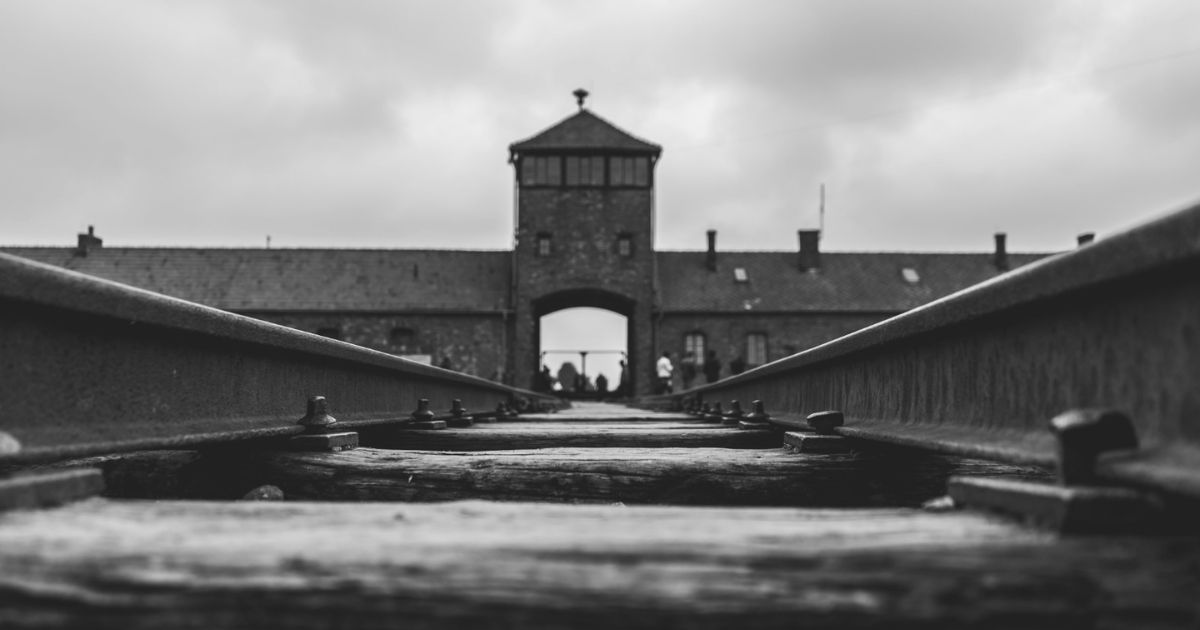
A short shuttle ride brings you to Birkenau, a site of a completely different scale. Vast open grounds, the ruins of destroyed crematoria, and railway tracks leading directly into the camp all communicate the industrial nature of the genocide. This is where the majority of the killings occurred. Standing at the end of the railway platform where families arrived, were separated, and most were immediately sent to the gas chambers is one of the most sobering experiences available to any traveler, anywhere in the world. For a detailed overview of the memorial’s full layout and what each section contains, visit https://krakow.wiki/auschwitz-birkenau-museum/ before your trip.
Emotional Preparation
Go in with clear expectations: this visit will be emotionally demanding. That is not a reason to avoid it; it is precisely why it matters. Dress comfortably and modestly, as much of the visit takes place outdoors. Give yourself time to pause. Talk about what you experienced afterward. Many visitors find that processing the visit with a companion or journaling helps integrate what they have witnessed. On-site staff are trained to support visitors, and quiet reflection areas are available throughout the grounds.
Auschwitz Within a Broader Kraków Itinerary
Kraków is the natural base for any visit to Auschwitz and offers its own deep connections to this history. Several operators, including KrakówDirect, provide reliable transport and guided experiences connecting Kraków with the memorial, making logistics straightforward for international travelers.
Key Sites in Kraków Connected to This History
Pair your Auschwitz visit with these important sites to build a fuller picture:
Kazimierz: Kraków’s historic Jewish Quarter, once a thriving center of Jewish life. Today, it holds synagogues, museums, and cemeteries that tell the story of a community before, during, and after the Holocaust.
Schindler’s Factory Museum: Documents life in occupied Kraków and tells the story of how Oskar Schindler saved over 1,000 Jewish lives.
Podgórze (Kraków Ghetto Area): The district where Kraków’s Jews were forced to relocate in 1941. The Eagle Pharmacy Museum and Ghetto Heroes Square offer powerful, intimate perspectives.
Together, these sites show you the community that existed, the destruction it endured, and the individuals who resisted or perished within it.
RELATED POST: How To Create Print-ready Mug Designs Fast?
Why Your Visit in 2026 Carries Real Weight?
Antisemitism, genocide denial, and extremist ideologies have not disappeared. In many parts of the world, they are resurging. Visiting Auschwitz is not a passive act. It is an active statement, a refusal to look away, a commitment to understanding what happens when hatred becomes organized state policy.
The mission of the Auschwitz-Birkenau Memorial and Museum is captured in two words: Never Again. Every visitor who comes strengthens that mission. The responsibility of remembrance now falls to institutions, educators, and, crucially, to visitors like you. Each person who walks through that gate and bears witness keeps memory alive and carries it forward.
Conclusion
Poland has so much to offer: Kraków’s beauty, the Tatra Mountains, Warsaw’s rebuilt grandeur, and the Baltic coastlines. But Auschwitz-Birkenau is not optional. It is where the most important story of the 20th century is still told, in bricks, artifacts, and silence.
Book your visit in advance.
Give it a full day. Pair it with time in Kraków’s Jewish Quarter and Schindler’s Factory. And when you stand at the end of that railway platform in Birkenau, understand that being there matters for the victims, for history, and for who we choose to be today. Some journeys are meant to entertain. This one is meant to transform.