
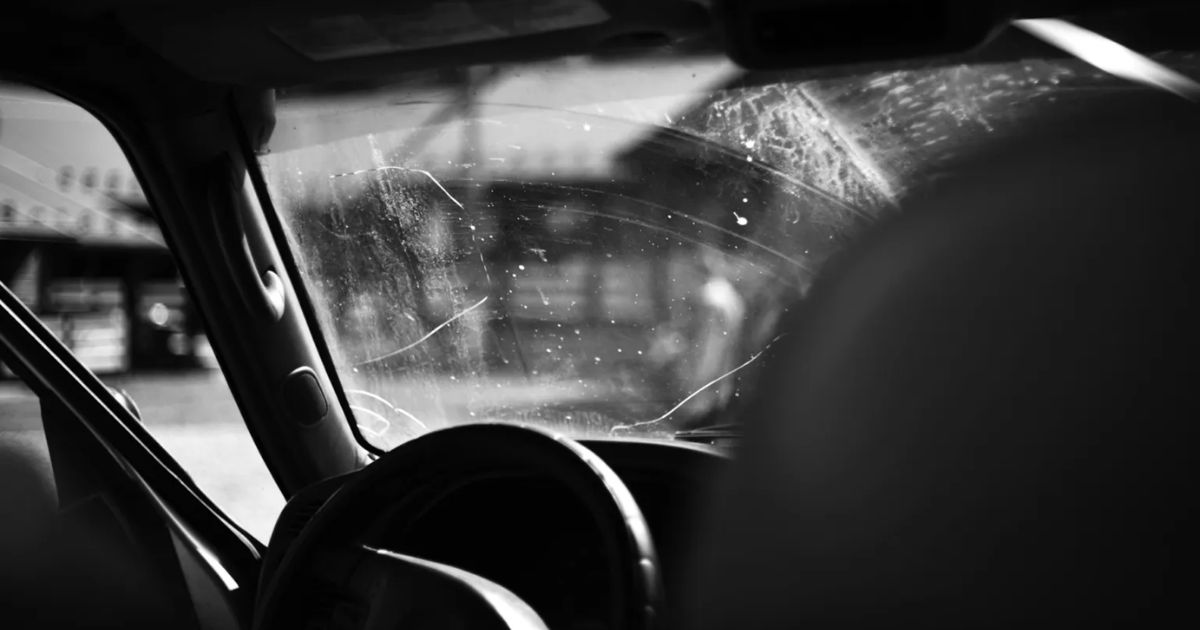
A windshield is one of the most important safety components of any vehicle, yet it is often overlooked until damage becomes impossible to ignore.
Many drivers continue using their cars with chips, cracks, or other visible defects, assuming the damage is only cosmetic. In reality, a compromised windshield can affect structural strength, driver visibility, and the performance of modern safety systems. Knowing when to replace a windshield instead of repairing it is essential for maintaining both safety and vehicle reliability.
Not every damaged windshield needs replacement. Small chips and certain short cracks can often be repaired successfully using specialized resin that restores much of the glass’s strength and prevents the damage from spreading. However, there are clear situations in which repair is no longer a safe or practical solution. Recognizing these situations early can prevent more serious problems and, in many cases, avoid higher repair costs later.
One of the most obvious reasons to replace a windshield is when the crack becomes too large. Although repair technology has improved significantly over the years, every repair has practical limitations. Long cracks generally indicate that the structural integrity of the glass has been compromised beyond what resin alone can restore. Even if a technician manages to stabilize the damage temporarily, the windshield may not provide the level of protection originally intended by the manufacturer.
The position of the damage is just as important as its size. Cracks that reach the edge of the windshield deserve particular attention. The outer perimeter plays a significant role in maintaining the strength of the glass and its bond to the vehicle’s frame. Damage extending into this area can spread rapidly due to normal body flex while driving over uneven roads, speed bumps, or potholes. In these cases, replacement is usually considered the safest solution.
Visibility is another critical factor. If a crack or repaired chip lies directly within the driver’s primary field of vision, replacement may be recommended even when the damage itself appears relatively small. Windshield repairs often leave a faint mark or slight optical distortion. While this may be acceptable outside the driver’s line of sight, any visual interference directly ahead can reduce driving comfort and potentially affect reaction time during difficult weather or nighttime conditions.
Multiple areas of damage also increase the likelihood that replacement will be necessary. A windshield containing several chips or cracks may have weakened structural strength even if each defect appears minor. Repairing numerous damaged areas is often less effective than installing new glass, especially when the damage is spread across different sections of the windshield.
Modern vehicles introduce another important consideration. Advanced Driver Assistance Systems (ADAS) rely on cameras, sensors, and radar units that are often mounted behind or near the windshield. These technologies support functions such as lane departure warning, adaptive cruise control, traffic sign recognition, automatic emergency braking, and collision avoidance systems. If the windshield becomes significantly damaged or requires replacement, these cameras frequently need recalibration to ensure accurate operation. Ignoring damaged glass may eventually affect sensor alignment, making professional inspection even more important.
Depth of the damage is another deciding factor. Windscreens consist of two glass layers bonded together with a plastic interlayer. If only the outer layer has been affected, repair may still be possible. However, when cracks penetrate multiple layers or damage the inner surface, replacement is generally required because the overall structural performance of the windshield has been compromised.
Older cracks present additional challenges. Fresh damage usually contains relatively little dirt or moisture, making repair more successful. Over time, however, road dust, cleaning chemicals, water, and other contaminants work their way into the crack. These substances interfere with the repair resin and reduce its ability to bond properly with the glass. Even if the damage appears unchanged, an old contaminated crack may no longer be a suitable candidate for repair.
Weather can accelerate the deterioration of windshield damage. Temperature changes cause glass to expand and contract repeatedly. During winter, drivers often use hot air to defrost frozen windshields, while in summer, air conditioning rapidly cools glass that has been heated by direct sunlight. These temperature differences create internal stress that can cause even a small crack to grow unexpectedly. What begins as a minor chip can become a windshield-spanning crack within days.
Drivers should also pay attention to unusual sounds or movement around the windshield. Water leaks, wind noise, or visible separation between the glass and the vehicle frame may indicate that the windshield bond has weakened. These problems cannot be solved by repairing surface damage alone and usually require complete windshield replacement with proper installation techniques.
Another situation where replacement becomes necessary is after certain collisions. Even if the windshield has not shattered completely, impact forces may have weakened its structure or affected its bond to the vehicle body. Since the windshield contributes to roof strength during rollover accidents and supports proper airbag deployment in many vehicles, hidden damage should never be ignored following a collision.
Some drivers postpone windshield replacement because they are concerned about cost. While replacing automotive glass is generally more expensive than repairing a small chip, delaying necessary replacement often leads to greater expense later. A growing crack cannot usually be reversed, and waiting reduces the number of available repair options. Additionally, continued driving with severely damaged glass may create safety risks that outweigh the initial savings. Depending on insurance coverage and the specific vehicle, replacement costs may be partially or fully covered. Reviewing insurance benefits can help drivers better plan the required finances for the work.
Choosing a qualified installer is equally important. Proper windshield replacement involves much more than simply removing old glass and installing new glass. The technician must prepare the vehicle frame correctly, apply the appropriate adhesive, position the windshield precisely, and allow sufficient curing time before the vehicle is driven. Vehicles equipped with ADAS systems may also require camera calibration after installation to restore full functionality.
Preventive habits can reduce the likelihood of future windshield replacement. Maintaining a safe following distance behind trucks carrying gravel, avoiding sudden temperature changes on damaged glass, repairing small chips quickly, and regularly inspecting the windshield all help extend its lifespan. Even careful parking choices, such as avoiding areas where falling branches or construction debris are possible, can reduce the risk of impact damage.
Ultimately, replacing a windshield is not simply about appearance. It is about preserving the safety systems designed into the vehicle and ensuring the driver maintains clear, unobstructed visibility. Small chips can often be repaired successfully when treated early, but large cracks, edge damage, multiple defects, deep fractures, visibility concerns, and structural problems usually indicate that replacement is the safer choice. Acting promptly after discovering windshield damage gives drivers the greatest number of options while helping protect both the vehicle and everyone inside it.
RELATED POST: Planning a Group Trip to NYC?