
Travertine stone is a versatile natural stone widely used in interior and exterior architectural applications. This guide explains travertine’s formation, key properties, cut types such as vein cut, common uses, tile selection criteria, and the main factors that influence travertine prices.
Natural stones are among the most important building materials used in architectural projects, offering aesthetic appeal as well as durability and long-lasting performance. Among these materials, travertine stands out with its distinctive texture, warm color tones, and variety of surface finishes. It can be used in a wide range of interior and exterior applications, from flooring and wall cladding to façades and landscaping projects.
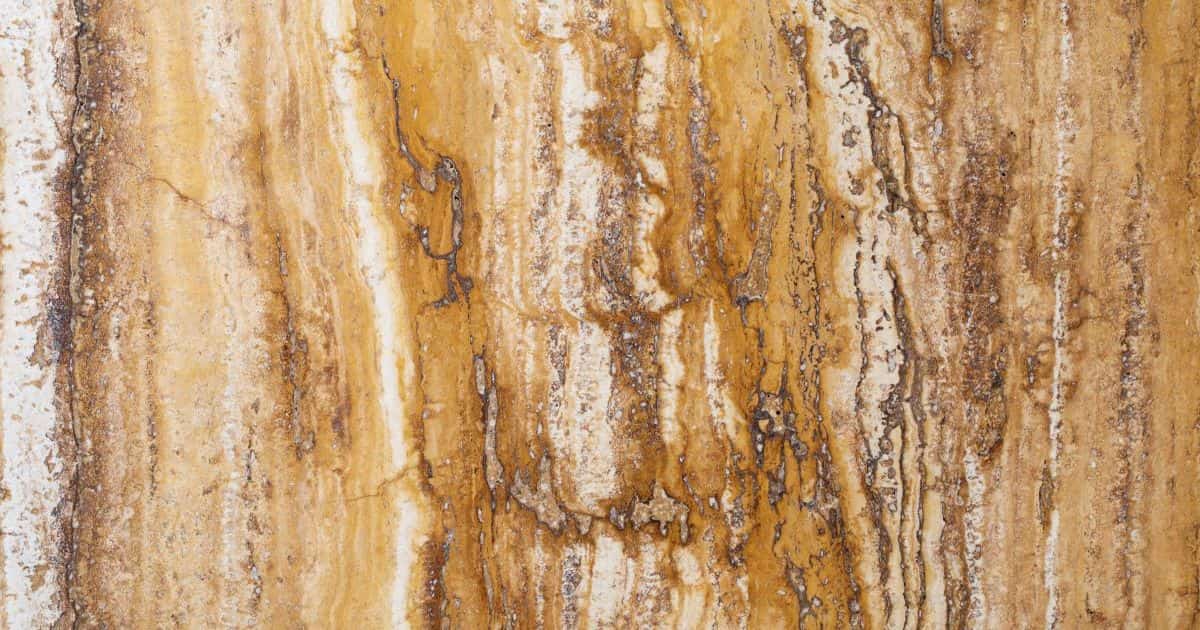
In addition to color and surface finish, the cutting direction plays an important role in determining the final appearance of travertine. In particular, travertine vein cut highlights the stone’s natural veins in a more linear and distinctive pattern, making it an attractive option for architectural designs. For this reason, when selecting travertine, it is important to consider not only its overall appearance but also its cutting method, intended application, surface finish, and technical characteristics.
What Is Travertine Stone?
Travertine is a type of natural stone formed through the gradual precipitation of minerals from mineral-rich natural waters. As a result of this formation process, pores, cavities, veins, and natural color variations may appear on its surface. This characteristic structure contributes to the unique appearance of each travertine slab or tile.
In addition to lighter shades such as beige, cream, and ivory, travertine can also be found in brown, gray, and darker color variations. Thanks to this natural color diversity, travertine can complement a wide range of architectural styles, from traditional designs to modern and minimalist spaces.
What Are the Properties of Travertine Stone?
One of the main characteristics that distinguishes travertine from other natural stones is its naturally porous texture. Depending on the desired design, these pores can be left open or filled with suitable materials. Surface treatments such as honing, polishing, brushing, or antiquing can then be applied to achieve different textures and finishes.
Travertine also provides considerable design flexibility because it can be produced in different dimensions. Large-format slabs can create a more continuous appearance across architectural surfaces, while travertine tiles are suitable for modular applications. Since travertine is a natural material, variations in color, veining, and texture are expected and form part of the stone’s distinctive character.
How Is Travertine Stone Formed?
The formation of travertine is the result of long-term natural geological processes. When groundwater rich in calcium carbonate reaches the surface, changes in physical and chemical conditions cause minerals within the water to precipitate. Over time, these mineral deposits accumulate in layers and eventually form travertine deposits.
Differences in formation conditions can influence the stone’s color, pore density, vein structure, and overall texture. As a result, travertine extracted from different quarries may display noticeable visual differences. Natural variations can even occur between blocks extracted from the same quarry.
What Are the Different Travertine Cut Types?
The direction in which travertine blocks are cut plays an important role in determining the visual character of the finished stone. The two main approaches can generally be classified according to whether the stone is cut parallel or perpendicular to its natural bedding and vein structure.
When the block is cut parallel to the natural layers, the veins appear as longer and more linear patterns. This can create a strong sense of direction and movement, particularly across large architectural surfaces. When the stone is cut perpendicular to the layers, the resulting appearance may feature cloud-like, circular, or more irregular natural patterns. The appropriate cutting method should therefore be selected according to the project’s design language and desired visual effect.
What Is Vein Cut Travertine and What Does It Look Like?
Vein cut refers to a cutting method in which a travertine block is processed according to its natural bedding and vein direction. This technique reveals distinct lines and layers running across the surface of the stone. The rhythmic appearance created by these natural veins can become a strong design element, particularly in contemporary architectural projects.
On wall applications, the direction of the veins can also influence the visual perception of a space. Horizontal veins may emphasize width, while vertical installation can create a greater sense of height. When large slabs are installed with careful consideration of vein continuity, they can also create a more cohesive architectural composition.
Where Is Travertine Stone Used?
Travertine has a broad range of applications. In interior spaces, it can be used for flooring, wall cladding, staircases, fireplace surrounds, bathroom surfaces, and decorative architectural details. With the appropriate product and surface treatment, travertine can be adapted to different design requirements.
For exterior projects, travertine may be used in façade cladding, terraces, garden areas, and various landscaping applications. However, factors such as climate conditions, surface characteristics, slip resistance, and installation methods should be evaluated according to the specific requirements of each project.
What Should You Consider When Choosing Travertine Tiles?
Travertine tiles should not be selected based solely on color and pattern. The intended application, dimensions, thickness, surface treatment, pore structure, and cutting direction should all be considered together.
Because natural stone can display variations in tone and texture, evaluating the products together before installation can help achieve the desired visual consistency throughout the project. A surface finish suitable for high-traffic flooring, for example, may differ from one selected for decorative wall cladding. Product specifications should therefore be determined according to the intended use and project requirements.
What Factors Affect Travertine Stone Prices?
There is no single factor that determines the price of travertine. Origin, color and pattern characteristics, material selection, dimensions, thickness, cutting method, surface finish, and order quantity can all influence the final cost. Custom production requirements or non-standard dimensions may also affect pricing.
For international buyers researching how much is travertine tile, there is therefore no single fixed price that applies to every product or project. The cost of travertine tiles may vary depending on product specifications, order volume, processing requirements, logistics, and the destination market. For a more accurate cost assessment, it is important to consider not only the price per square meter but also the overall product, processing, transportation, and project requirements.
The Importance of Choosing the Right Travertine Cut and Quality
When selecting travertine, aesthetic expectations and technical requirements should be evaluated together. The same travertine block can produce significantly different visual results depending on its cutting direction and surface treatment. For this reason, the way in which the natural vein structure will be displayed should be considered alongside the color of the stone during the design process.
Quality assessment should also take into account factors such as suitability for the intended application, required dimensions and thickness, surface treatment, and production standards. In large-scale architectural projects, planning for consistency in color and veining between individual pieces can contribute to a more balanced and cohesive final appearance.
With its natural character, different cutting options, and broad range of applications, travertine continues to be a versatile material in architecture and design. Selecting the appropriate stone, cutting method, and surface treatment according to the specific requirements of a project makes it possible to benefit more effectively from both the aesthetic character and functional properties of this distinctive natural stone.
RELATED POST: Foam Roller vs. Myofascial Release Ball