
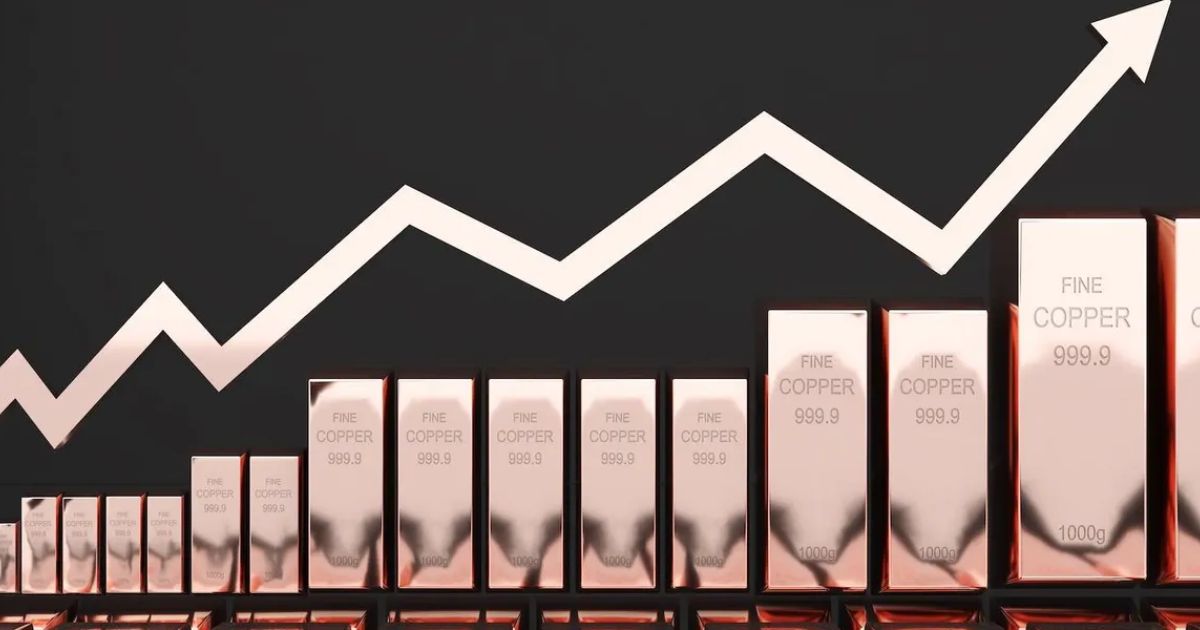
For investors seeking exposure to industries that support future economic growth, investing in copper has become an increasingly popular option. Copper serves as a vital component in electrical systems, transportation, manufacturing, renewable energy, and communication infrastructure.
Understanding how the copper market works allows investors to identify opportunities while managing potential risks more effectively.
Why Copper Continues to Matter?
Copper’s unique physical properties make it difficult to replace across many industries.
Excellent Conductivity
Copper efficiently carries electricity, making it essential for electrical applications.
Strong Durability
Its long lifespan supports widespread use in buildings and infrastructure.
High Recyclability
Copper can be recycled repeatedly without losing its quality.
Long-Term Demand Drivers
Several powerful trends continue to support demand.
Urban Development
Growing cities require new housing, transportation systems, and utility networks.
Renewable Energy Expansion
Wind farms, solar installations, and energy storage systems consume substantial quantities of copper.
Industrial Automation
Modern manufacturing increasingly depends on electrical equipment containing copper.
Practical Approaches to Investing
There are multiple ways to begin investing in copper.
Direct Industry Exposure
Some investors focus on businesses involved in copper exploration or production.
Diversified Investment Strategies
Others spread investments across multiple sectors that benefit from copper demand.
Long-Term Portfolio Planning
A patient approach often reduces the impact of short-term market fluctuations.
Evaluating Investment Opportunities
Before investing in copper, investors should examine several important factors.
Operational Performance
Efficient operations generally improve long-term profitability.
Reserve Quality
Higher-quality mineral deposits may support stronger production potential.
Financial Strength
Companies with stable finances are often better prepared for changing market conditions.
Future Expansion
Growth projects can increase production capacity over time.
Understanding Investment Risks
Every opportunity comes with uncertainty.
Commodity Cycles
Copper prices naturally rise and fall with global economic activity.
Environmental Regulations
Mining projects must comply with evolving environmental standards.
Supply Chain Challenges
Transportation delays and equipment shortages may affect production schedules.
Smart Investment Habits
Successful investors often rely on consistent habits rather than emotional decisions.
Set Clear Goals
Define your investment objectives before building a portfolio.
Monitor Industry Trends
Stay informed about developments affecting supply and demand.
Maintain Diversification
Holding different investments may reduce overall portfolio risk.
Building Confidence Through Research
Successful investing in copper requires continuous learning. Investors who review financial reports, industry analysis, production data, and long-term economic trends often make more informed decisions.
Patience and discipline remain valuable qualities throughout changing market conditions.
Conclusion
Investing in copper provides exposure to an industry that supports technological innovation, infrastructure development, and global economic growth. While price fluctuations are inevitable, thoughtful research, diversification, and long-term planning can help investors pursue sustainable results. By understanding market drivers and carefully evaluating opportunities, investors can approach investing in copper with greater knowledge and confidence.
RELATED POST: Copper Mining Global Demand, Applications, and Future Growth