
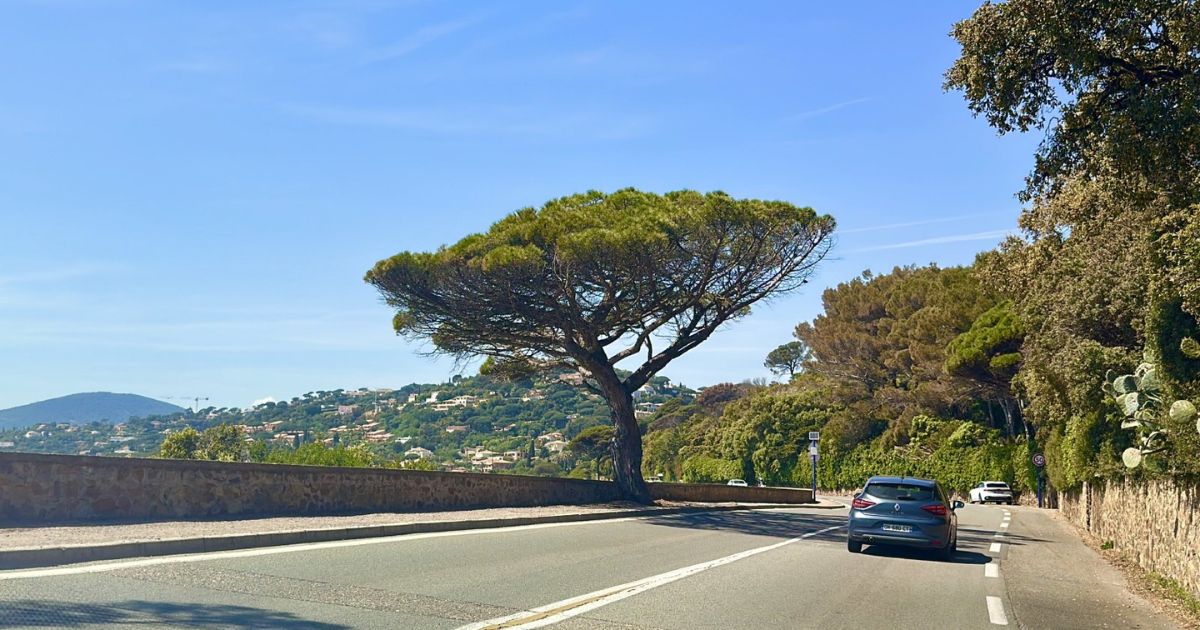
The route from Nice to Saint-Tropez is considered one of the most beautiful on the entire French Riviera. Every year, thousands of tourists travel this route to reach the famous Mediterranean resort, renowned for its beaches, yachts, restaurants, and luxurious atmosphere.
The Road from Nice to Saint-Tropez: What Tourists Need to Know Before Traveling?
The route from Nice to Saint-Tropez is considered one of the most beautiful on the entire French Riviera. Every year, thousands of tourists travel this route to reach the famous Mediterranean resort, renowned for its beaches, yachts, restaurants, and luxurious atmosphere. Despite the relatively short distance between the cities, the trip has its own unique characteristics that are useful to know in advance.
Saint-Tropez is located approximately 100 kilometers from Nice, but travel time is rarely fixed. Depending on the season, time of day, and the route chosen, the journey can take anywhere from an hour and a half to three hours. Traffic on the French Riviera becomes very heavy in summer, especially in July and August, when the region experiences peak tourist season.
Main Routes from Nice to Saint-Tropez
There are several ways to travel from Saint-Tropez by car. The most popular route is via the A8 motorway from Nice to St Tropez. This is the preferred option for drivers who want to cover the main part of the journey quickly.
After leaving Nice, drivers head towards Cannes and Fréjus along the A8 toll road. The road here is high-quality, wide, and allows for high-speed travel. The route then passes through Le Muy and Sainte-Maxime, after which begins the final stretch along the coast to Saint-Tropez.
This route is considered the most practical, but even it doesn’t guarantee a smooth ride. The stretch between Sainte-Maxime and Saint-Tropez is often particularly challenging. During high season, long traffic jams regularly form here, as the road runs close to the coast and has limited capacity.
Scenic Road Along the Sea
Many tourists prefer to take their time and choose the more scenic route along the coast. In this case, the route passes through Cannes, Théoule-sur-Mer, Saint-Raphaël, and other resort towns on the French Riviera.
This option takes longer, but allows you to enjoy the magnificent seascapes, cozy bays, and the atmosphere of the South of France. Along the way, you can stop in small seaside towns, enjoy a coffee overlooking the sea, or take photos at viewpoints.
The section between Cannes and Saint-Raphaël is considered particularly impressive. Here, the road runs alongside the sea and the red cliffs of the Esterel Massif, considered one of the region’s natural landmarks.
Toll Roads and Expenses
When driving on the A8, it’s important to consider toll sections. The cost depends on the route and vehicle category, but it typically costs a few euros. Payment is made at designated toll booths by cash, credit card, or electronic payment.
In addition to toll roads, tourists should consider the cost of fuel, parking, and possible delays. In Saint-Tropez itself, parking can be a particular challenge during peak season: spaces are scarce, and prices are quite high.
Therefore, many travelers prefer to plan their trip and factor in all expenses before setting off.
RELATED POST: Poly Mailers for Sustainable E-commerce Business Growth
Traveling by Rental Car
Renting a car is one of the most popular ways to travel along the Côte d’Azur. Dozens of international and local rental companies operate at Nice Airport, allowing tourists to choose a car of virtually any class.
The main advantage of a car is freedom of movement. You can choose your own route, make stops at your favorite places, and be independent of public transportation schedules.
However, there are some nuances. Traffic in the south of France is quite heavy during the summer, and in smaller towns, streets can be narrow and congested. Drivers should also be prepared for toll roads, heavy traffic, and the search for parking.
If you’re unsure of your driving skills in Europe or don’t want to be tired after a flight, it’s best to consider alternative travel options.
Transfer as a Comfortable Option
For many tourists, a private transfer to Saint-Tropez is the most convenient way to get from Nice. This option is especially popular among families with children, travelers with a lot of luggage, and those who value comfort.
A driver meets passengers directly at the airport, helps with luggage, and takes them directly to their accommodation. This arrangement avoids transfers, waiting times, and navigation difficulties.
Furthermore, professional drivers are familiar with local roads and can choose the optimal route depending on traffic conditions.
Public Transportation
Despite the popularity of the destination, there is no direct train service between Nice and Saint-Tropez. Travel by public transportation typically involves several stages: a train to Saint-Raphaël or Les Arcs, followed by a bus or taxi.
This method is suitable for tourists looking to save money, but it takes more time and can be inconvenient for those with luggage.
Public transportation is also available during the summer season.
Sea routes and ferries operate from some coastal towns. This is an interesting option for those who want to combine a trip with a seaside cruise.
When to go?
Experienced travelers advise avoiding rush hour. Traffic is usually heaviest:
Weekend mornings;
Friday evenings;
July and August;
During holidays and festivals.
If possible, it’s best to depart early in the morning or late in the evening. This will reduce travel time and make the journey more comfortable.
What to see along the way?
A trip from Nice to Saint-Tropez can be a full-fledged part of the trip. Along the way, tourists often visit:
Cannes;
Antibes;
Fréjus;
Saint-Raphaël;
Sainte-Maxime.
Each of these towns has its own atmosphere and attractions. Many travelers make stops specifically to add variety to their trip and explore other parts of the Côte d’Azur.