
Not all those who wander are lost. Time is the longest distance between two places. Of all sad words of tongue or pen, the saddest are these: it might have been.
Technology has become the nervous system of our civilization. It is the invisible web that holds our economy, our relationships, and our knowledge together. In the past, tools were physical objects like hammers or plows.
Today, our most powerful tools are digital. We live in a world where information travels at the speed of light. This transformation has happened so quickly that we often forget how magical it truly is. We press a button on a glass screen, and food arrives at our door. We speak into a microphone, and a person on the other side of the planet hears us instantly. Understanding the technology behind this connectivity is essential for navigating the future.
The Power of Cloud Computing
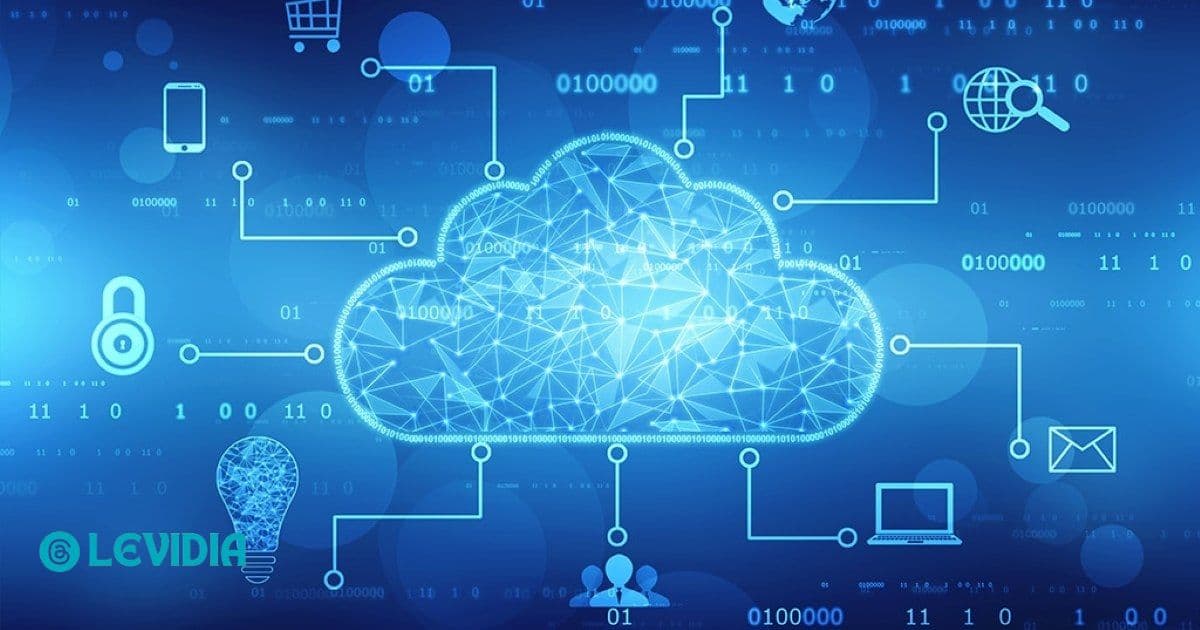
One of the most important advancements in recent history is the cloud. The cloud is a confusing term for many people. It sounds like something floating in the sky. In reality, the cloud is a vast network of physical servers located in massive data centers around the world. These servers store the photos, videos, and documents that we access every day.
Before the cloud, all your data lived on your personal computer. If your hard drive broke, you lost everything. If you wanted to share a file, you had to save it to a disk and physically give it to someone. Now, your data lives on the internet.
This means you can access your work from any device. You can start writing an email on your phone and finish it on your laptop. It allows companies to operate globally without building their own server rooms. The cloud has democratized technology. It gives a small startup access to the same computing power as a giant corporation. It is the foundation that makes streaming movies, social media, and online banking possible.
The Speed of Connection
The internet started as a slow and noisy system. People had to use telephone lines that made screeching sounds when connecting. Downloading a single song could take an hour. Today, we are in the era of high speed fiber optics and 5G networks.
Fiber optic cables are made of thin strands of glass. They transmit data using pulses of light. This allows for incredible speeds and reliability. At the same time, mobile networks have evolved from 3G to 4G and now to 5G. This new generation of wireless technology is not just about faster video streaming. It is about connecting machines. 5G has the capacity to support billions of devices at once. This enables the Internet of Things, where cars, traffic lights, and home appliances can talk to each other in real time. This ultra fast connectivity is paving the way for innovations like self-driving cars and remote robotic surgery.
RELATED POST: LEVIDIA Review Pros, Cons and Real User Experience
Transforming How We Learn
Technology has completely reshaped the landscape of education. In the past, knowledge was trapped in expensive textbooks and university lecture halls. If you did not have money or access to a library, your opportunities were limited. Today, the internet is the greatest library in human history.
Platforms like YouTube and Khan Academy offer free lessons on almost any subject imaginable. A student in a rural village can watch the same physics lecture as a student at Harvard. Virtual reality is taking this a step further. Instead of just reading about history, students can take a virtual tour of ancient Rome.
They can travel inside the human body to understand biology. This immersive learning makes difficult concepts easier to grasp. However, it also requires self discipline. With so many distractions online, the challenge is to focus on learning rather than entertainment.
The Rise of Smart Cities
As the world population grows, our cities are becoming more crowded. Technology offers a way to manage this density. Urban planners are using sensors and data to create smart cities. These are cities that think.
In a smart city, traffic lights adjust their timing based on the flow of cars to reduce jams. Waste bins send a signal when they are full so garbage trucks do not waste fuel checking empty bins. Streetlights brighten only when pedestrians are walking by to save electricity. Even water pipes can detect leaks and alert maintenance teams before a pipe bursts.
This layer of digital intelligence helps cities run more efficiently. It reduces pollution, saves energy, and improves the quality of life for residents. It represents a shift from building bigger infrastructure to building smarter infrastructure.
Cybersecurity and Privacy
With all this connectivity comes a significant risk. When everything is connected, everything is vulnerable. Cybercrime has become a major threat to individuals and nations. Hackers can steal financial data, hold hospitals for ransom, or disrupt power grids.
Cybersecurity is the practice of protecting our digital lives. It involves using strong passwords, encryption, and firewalls. It is a constant battle between security experts and criminals. Privacy is another major concern. Every click, search, and purchase generates data. This data is often collected by companies to target advertisements. We must be aware of how much information we are sharing. We have to decide how much convenience we are willing to trade for our privacy. Protecting our digital identity is just as important as protecting our physical home.
The Future of Work
Automation and artificial intelligence are changing the nature of work. Machines are becoming capable of doing tasks that used to require humans. This includes not just manual labor but also cognitive tasks like data analysis and customer service.
This shift causes anxiety for many workers. They fear that robots will take their jobs. However, history shows that technology usually creates more jobs than it destroys. It eliminates dangerous and boring tasks, freeing humans to do more creative and strategic work. The workforce of the future will need to be adaptable.
The most valuable skill will be the ability to learn new technologies quickly. We will see a rise in hybrid roles where humans and machines work together. For example, a doctor might use AI to help diagnose a disease, but the human connection and decision making will remain with the doctor.
Conclusion
Technology is a double edged sword. It has the power to heal diseases, connect loved ones, and solve global problems. It also has the power to isolate us, distract us, and threaten our privacy. The key is to remember that technology is a tool, not a master.
We must use it with intention. By understanding how these systems work, we can harness their power to build a future that is more prosperous, inclusive, and sustainable. The digital revolution is just beginning, and the choices we make today will shape the world for generations to come.


