
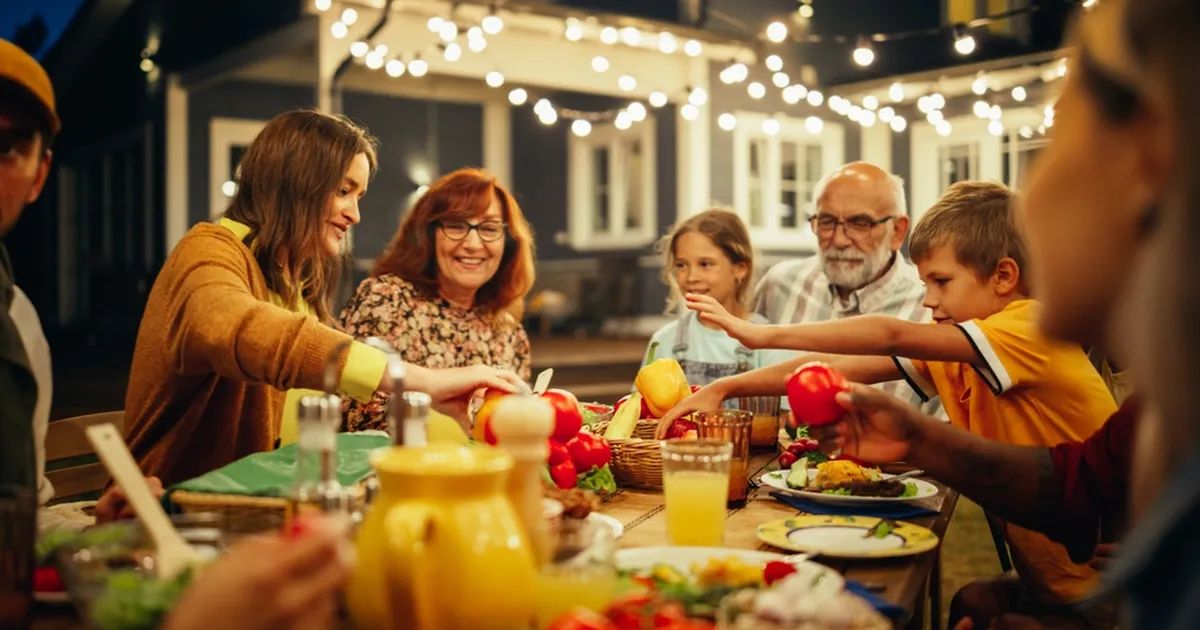
A gathering can include alcohol without making it the reason everyone is there. What the invitation says, where you place the drinks, and what people can do besides refill a glass all shape the event.
Good planning also helps guests who skip alcohol for health, faith, recovery, pregnancy, driving, taste, or private reasons. You do not need to know why. Make it easy for everyone to join in without explaining what is in their cup.
Set Clear Expectations Before Anyone Arrives
An invitation tells guests what kind of event they are entering. Lead with the actual occasion: a birthday dinner, backyard movie, game night, team picnic, or holiday lunch. Then describe refreshments in a neutral way. “Dinner, sparkling water, iced tea, beer, and wine will be available” is clearer than “Come drink with us.” It tells people what to expect without treating one choice as the default.
If you are hosting at a restaurant, brewery, or winery, say so plainly. A guest who avoids alcohol may want to check the menu, arrange a shorter visit, or decline. Surprising them at the door takes that choice away. For a work event, include the start and end times, whether a meal is served, and whether attendance is optional. Do not advertise alcohol as a reward for surviving the week.
Avoid asking guests to announce whether or why they drink. A group message that says “Tell me who needs nonalcoholic drinks” singles people out. Buy a sensible range for everyone. If you need preferences for a small dinner, ask every guest the same broad question: “Any food or drink preferences I should plan for?”
Think about the welcome moment. If the first thing every person sees is a tray of wine, choosing something else becomes a public decision. Instead, offer a simple choice: “We have iced tea, citrus water, and wine. What sounds good?” Better yet, make the choices easy to see and reach so guests can serve themselves.
Give Alcohol-Free Drinks Equal Care
An alcohol-free option should be more than a warm bottle of water found after someone asks. Offer two or three choices with different flavors and levels of sweetness. Sparkling water with citrus, unsweetened iced tea, ginger lemonade, coffee, or chilled fruit-infused water can cover a wide range without requiring specialty products.
Presentation sends a message. Use clean glasses, ice, garnishes, and clear labels for all drinks. Place alcohol-free choices in the main serving area rather than on a separate counter. Keep them stocked throughout the event. If one pitcher disappears quickly, refill it with the same attention you would give the wine.
Label ingredients where confusion is possible. A punch may contain alcohol even if it looks like fruit juice. A dessert, sauce, or mixed drink may also include it. Simple cards such as “Peach tea, alcohol-free” and “Rum punch, contains alcohol” prevent guests from having to ask in front of others. Do not use playful labels that shame either choice.
Be careful with products marketed as “zero alcohol” or “nonalcoholic.” Check the package for alcohol content; some guests also avoid products that resemble beer or wine. You do not need those products to host well. Water, tea, coffee, juice, and house-made fruit drinks are familiar choices. If you do serve a packaged alternative, keep the original label available so guests can decide for themselves.
Food matters, but not because it makes an impaired person sober. It does not. Serve food because guests need nourishment and because a real meal gives the gathering another center. The National Institute on Alcohol Abuse and Alcoholism’s hosting guidance recommends providing alcohol-free drinks and food and planning for safe rides. Put substantial food out early rather than waiting until late in the event.
Give the Gathering Something to Do
People tend to focus on drinking when drinking is the only activity. Give guests a shared reason to be there. It does not need to be elaborate. A taco-making table, lawn game, puzzle, short neighborhood walk, photo display, or movie creates natural conversation and movement.
Choose activities that do not turn alcohol into a rule or a prize. Trivia works well until wrong answers require a drink. A tasting can be designed around hot sauces, apples, chocolate, teas, or homemade soups. A picnic can include a scavenger hunt for children and adults. At a work gathering, a brief welcome and a clear activity can help people mix without expecting a drink to make conversation easier.
Consider the shape of the room. If every chair faces the bar, the bar becomes the event. Spread food, games, and seating across the space. Create a quieter place where two people can talk. Keep water visible near the activity area. These choices help guests move through the gathering without repeatedly passing an alcohol station.
Pacing also matters. You can set a clear end time and stop serving alcohol before everyone leaves. Do not keep topping up glasses without asking. A person may be tracking what they consume, and an automatic refill makes that harder. Let guests pour their own drinks when appropriate, or train anyone serving to wait for a clear request.
None of this needs to make the event feel serious. When food is ready, activities are easy to join, and every guest has a good drink in hand, people have more ways to relax. The event simply feels well planned.
Respect No, Privacy, and the Trip Home
Accept “No, thanks” the first time. Do not ask whether someone is driving, pregnant, taking medication, in recovery, or “no fun anymore.” Even warm teasing can turn a private choice into a group discussion. A good host responds with the next useful option: “Would you like tea or sparkling water?”
Let people leave when they want. A guest may have an early morning, feel tired, or find the setting difficult. Do not block the door with another round or demand a reason. Thank them for coming and help them collect their things.
Plan transportation before the party. Share parking and transit details in the invitation. Make rideshare pickup easy to find. For a small event, identify a sober driver only if that person freely agrees. Never pressure someone who may be impaired to drive. If a guest cannot travel safely, help arrange a ride or a safe place to stay. Coffee, food, water, or a cold shower will not quickly reverse alcohol impairment.
Sometimes a guest may privately say that drinking is causing problems and ask where to find help. Listen without turning the party into an intervention. Ask whether they want help locating a professional resource, and follow their lead. The NIAAA Alcohol Treatment Navigator explains evidence-based alcohol treatment and how to search for qualified care. If they’re in the Modesto area, GPS Counseling Center offers an outpatient treatment program, and they can ask whether it fits their needs.
The next day, protect the person’s privacy. Do not tell other guests what they shared or ask for a public update. A short private message such as “I’m sending the resource you asked for” keeps the promise without taking control.
Before the first guest arrives, stand at the entrance and look across the room. Can someone spot an alcohol-free drink without asking? Are the punch and mixed drinks labeled? Is the food ready, and can you explain the ride home in one sentence? Fix whatever is missing, then welcome people in.
RELATED POST: How to Get More Value From Mobile SEO Services?
